
Plants and Crafts in the Cycles of Life
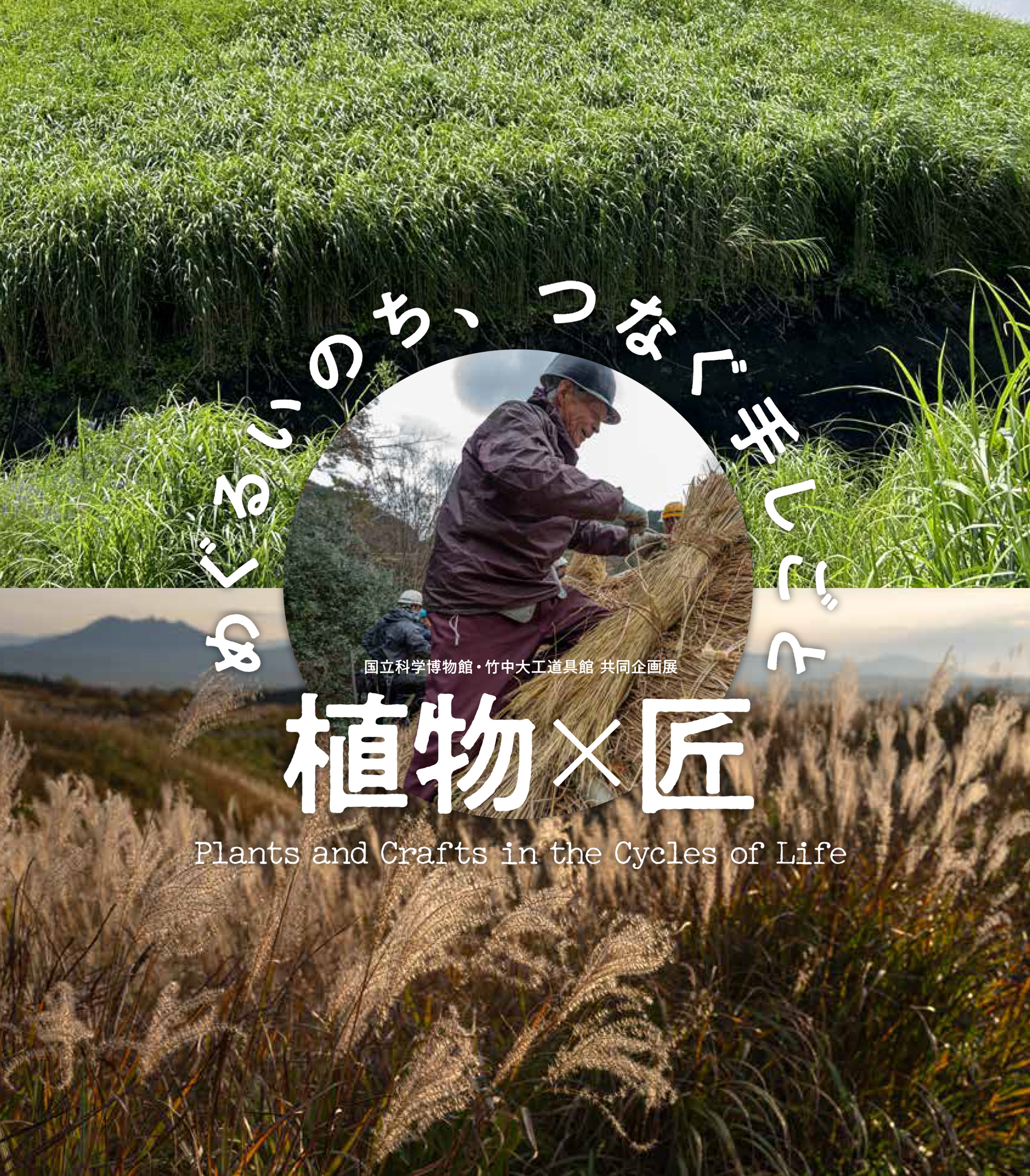
We are sharing video footage from the joint exhibition “Plants and Crafts in the Cycles of Life” which opened on July 29, 2025. The exhibition is co-organized by the National Museum of Nature and Science and the Takenaka Carpentry Tools Museum.
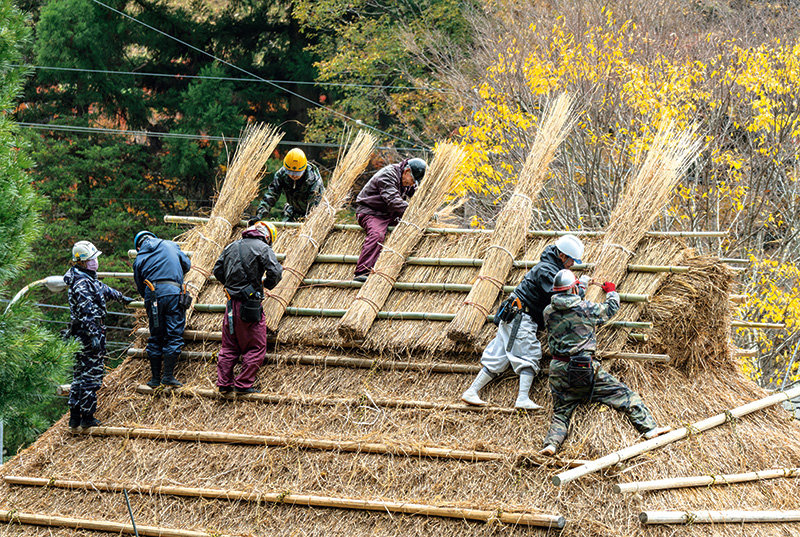
Since ancient times, Japanese have taken advantage of locally growing trees and plants in their daily lives, constructing homes from pillars and beams of cedar or cypress wood, thatching their roofs with susuki grass and yoshi reeds, and weaving mats from soft reeds for flooring. This exhibition focuses attention on the plants that support traditional Japanese architecture and the craft techniques that were developed, particularly from the point of view of plant science and architecture.
Exhibition
- Title
- Plant and Crafts in the Cycle of Life
- Period
- July 29 (Tue), 2025 - September 28 (Sun), 2025
- Venue
- Japan Gallery 1F Exhibition Hall for temporally exhibition and Central Hall
- Hours
- 9:00-17:00
*Opening days, hours etc. are subject to alteration. Please check the website before your visit. - Closed
- September 1(Mon),8(Mon),16(Tue),22(Mon), 2025
- Organizers
- National Museum of Nature and Science and Takenaka Carpentry Tools Museum
- Special Cooperation
- Association to Promote the Preservation, Utilization, and Development of Techniques of Traditional Architectural Craftspersons
- Support
- Takenaka Corporation
- Grant
- 2025 Japan Cultural Expo 2.0 Project (Japan Arts Council; Agency for Cultural Affairs)
VR Gallery

Click this image to jump to the VR website.
Access
- Address
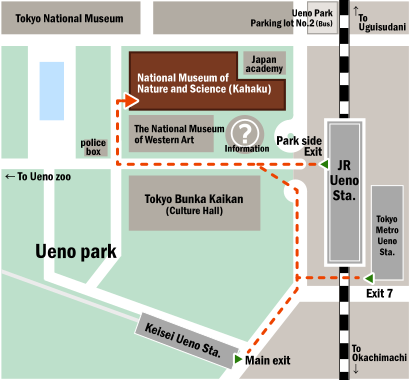
- 7-20 Ueno Park, Taito-ku, Tokyo 110-8718
>> more information
What to see
Combining
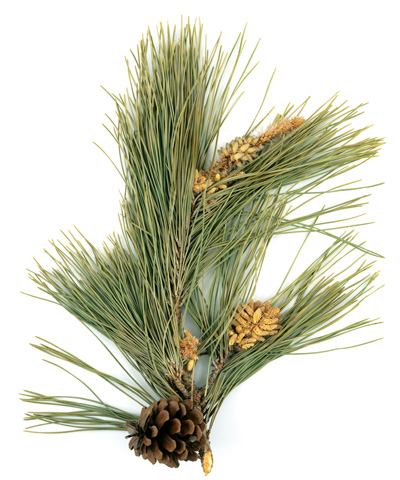
Cultivating, processing, and assembling wood
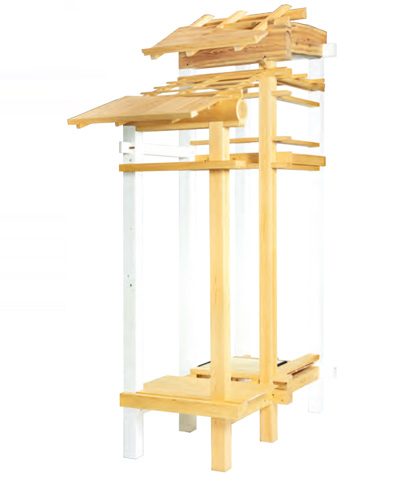
Building with wood brings together foresters’understanding of trees and carpenters’ skill and ingenuity. Trees are planted from seedlings, protected from underbrush, trimmed and tended to grow for over a century. Master carpenters cut, carve, and shape timber so that it can be joined in architectural forms. Here we look at the wisdom and the aesthetic embedded in those endeavors.
Roofing
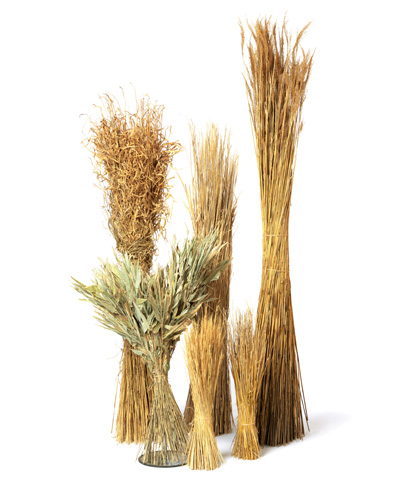
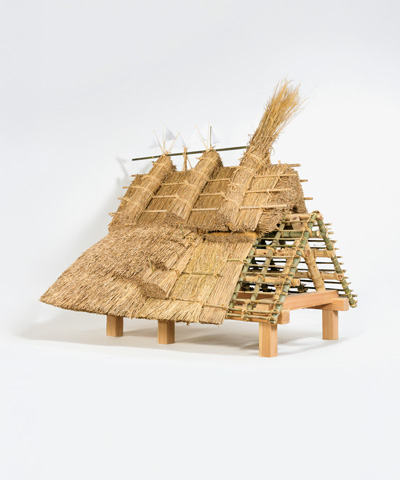
Thatching and shingling with plants and bark
Roofs are shingled and thatched from plant-based materials bundled and layered in order to protect against wind and rain. Skilled hands peel tree bark, gather and cut grasses for thatch, split wood for shingles; they dry it, sort it, and bundle it, in due course to be carefully placed and piled up to create a roof, its shape embodying the interaction of materials and skills.
Intertwining
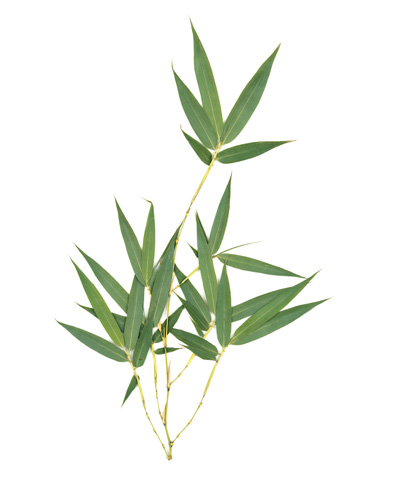
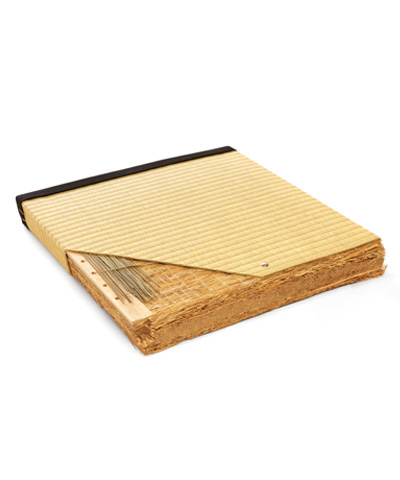
Weaving, plaiting, and binding with plants
Fine and flexible materials are used to weave and fabricate things, giving shape to the furnishings of daily life. Bamboo, rushes, and reeds are cut and fashioned by plaiting and twisting into the designs and functions of daily life — a world of gentle, textured arts where materials and handcraft intertwine.
Connecting
Nurturing nature and transmitting skills
Connecting people to people, urban and rural, and past and future, the making of things by hand continues. People cultivate, harvest, and hand down resources, move their hands, and put their minds together in the fabrication of things. The relationship between materials and hands has long been put asunder by the rapid rise of modernization and mass-production. What can we do to connect craft to nature’s resources once more for the needs of a new era? Focusing our attention on the plants around us, this exhibition hopes to shed renewed light on the wisdom and skills that have been passed down to us.