"Observing Earth" - a special exhibition marking 150 years of meteorological work

In 1875, the Tokyo Meteorological Observatory (currently the Japan Meteorological Agency) began its meteorological and seismic observation as part of Japan's meteorological services. Over the past 150 years, a wide range of natural phenomena have been observed using a variety of methods, revealing the state of the global environment and its changes. In addition to displaying the technology, historical equipment, data, and research results that have been passed down from previous researchers and engineers, this exhibition will also showcase how these have greatly contributed to the prevention and mitigation of disasters. We hope that preserving and exhibiting these materials as a museum will contribute to the understanding of Earth in the future.

Exhibition

Title
"Observing Earth" - a special exhibition marking 150 years of meteorological work
Period
March 25, 2025 (Tue) - June 15, 2025 (Sun)
Venue
National Museum of Nature and Science
Japan Gallery 1F Exhibition Hall for temporally exhibition
Hours
9:00-17:00
*Opening days, hours etc. are subject to alteration. Please check the website before your visit.
Closed
Monday, May 7, 2025
(Except March 31, April 28, May 5 and June 9)
Organizers
National Museum of Nature and Science
Special Cooperation
Japan Meteorological Agency
Support
Japan Weather Association
Cooperation
JAXA、Kanazawa University Institute of Science and Engineering、International Virtual Muography Institute、Geospatial Infomation Authority of Japan、NICT、International Muography Research Organization, the University of Tokyo、Earthquake Research Institute,University of Tokyo、Atmosphere and Ocean Research Institute,University of Tokyo、Tokushima University、MITSUBISHI ELECTRIC、mDetect / Swinburne University of Technology

Access

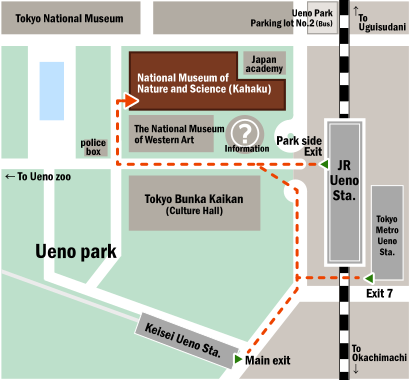
National Museum of Nature and Science
Address 7-20 Ueno Park, Taito-ku, Tokyo 110-8718
National Museum of Nature and Science access map

What to see

Chapter 1Measuring natural phenomena

Various invisible natural phenomena are occurring on Earth and in outer space. When did people become interested in these phenomena and begin to measure or observe them? This chapter shows how the Japanese began to measure natural phenomena on Earth as the country’s modernization advanced during the Meiji period.

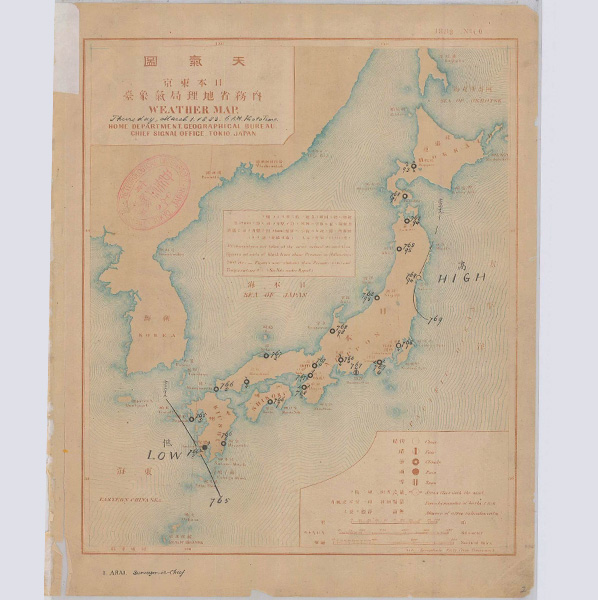
Japan's first Printed weather map (Japan Meteorological Agency)
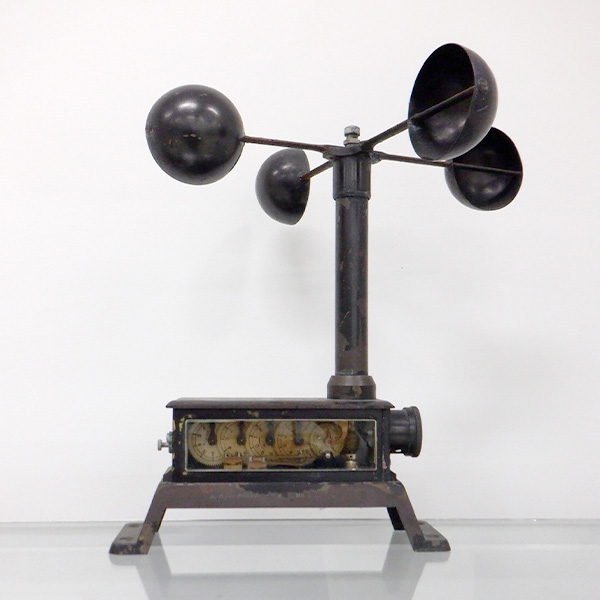
Robinson anemometer (Japan Meteorological Agency)

Chapter 2Measuring the atmosphere and oceans

Daytime maximum temperatures exceeding 35°C, heavy rainfall reaching 100 millimeters in a single day and the ongoing advance of global warming are just some of the results of atmospheric and oceanic observations. In this chapter, we will show how and why atmospheric and oceanic observations are being conducted.

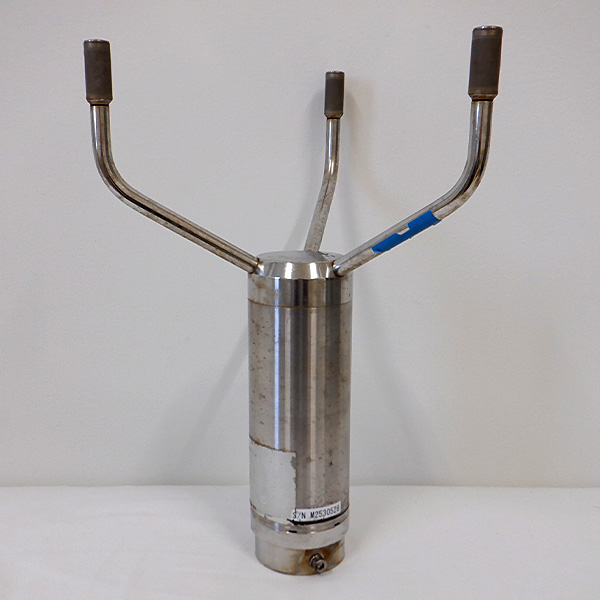
Ultrasonic anemometer (Japan Meteorological Agency)
Ryofu-maru (Photo by Japan Meteorological Agency)

Chapter 3Measuring Earth's interior

Do you know what the inside of Earth is like and what is happening there? We cannot see inside the planet directly. So how can we investigate the various phenomena taking place inside Earth? And what can we find out? Let's take a close look at what's going on inside our planet by observing earthquakes, volcanoes, terrestrial magnetism, and crustal alteration.

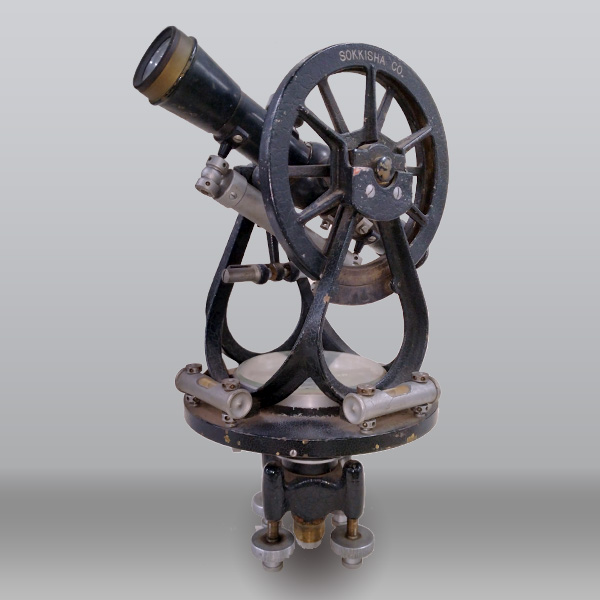
Transit (National Museum of Nature and Science)

Chapter 4Measuring the Earth from outer space and the sky

150 years ago, various natural phenomena were observed from the ground, but now we can observe them from outer space and the sky, which enables us to take measurements with greater accuracy. Even places that humans cannot enter can be seen from space and the sky, and artificial satellites and aircraft are being used to watch over Earth. In this chapter, we will show what kinds of phenomena can be measured from outer space and the sky.

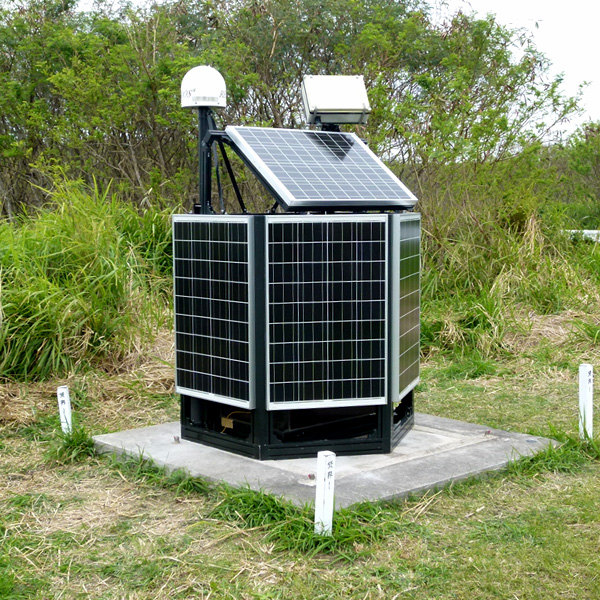
REGMOS (Geospatial Infomation Authority of Japan)
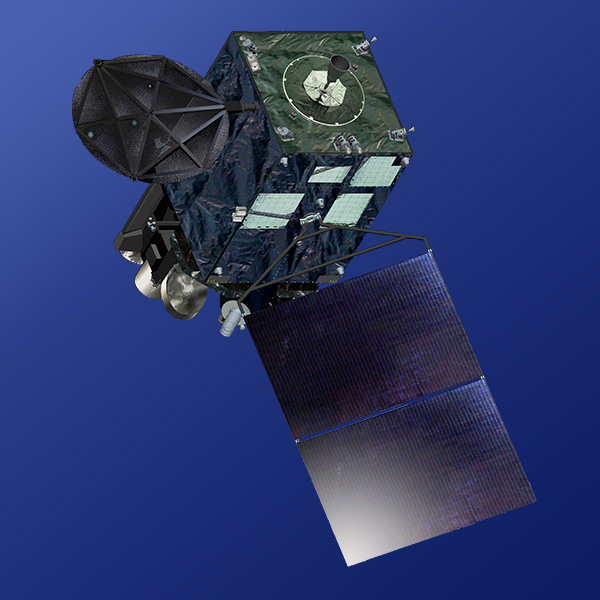
HIMAWARI-9(Photo by Japan Meteorological Agency)

Central HallWhy do people measure Earth?

150 years ago, people began to record natural phenomena with modern observation equipment in Japan. They began observations to learn about weather, oceans, earthquakes, and volcanic eruptions, which have been continued to understand the mechanisms of these phenomena and to make predictions and contribute to the prevention and mitigation of disasters. Here, we will show how we predict phenomena using accumulated observational data, as well as what observations can be expected in the future.

K computer systemboard (National Museum of Nature and Science Contributed by RIKEN)